

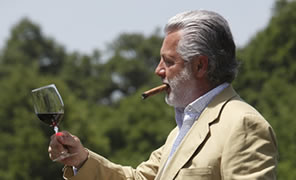
Benvenuti a Col d'Orcia, produttore biologico di Brunello
Col d'Orcia letteralmente significa collina che si affaccia sul fiume Orcia, il quale segna il confine Sud Ovest del territorio di produzione del Brunello di Montalcino, il nome dell'azienda è intrinsecamente legato alla posizione dove sono piantati i vigneti.
Produrre i vini migliori, che dall'eccezionale combinazione del suolo e del clima di questa zona di Montalcino si possono ottenere, è la missione di Col d'Orcia.
Annate Storiche |
 |
|
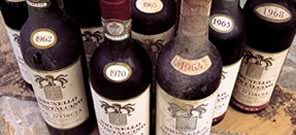
Col d’Orcia ha collezionato negli anni più di 50.000 bottiglie di Vecchie Annate di Brunello di Montalcino, accuratamente conservate nella propria cantina. |
Sostenibilità |
 |
|
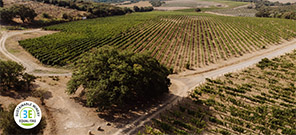
A Col d’Orcia la sostenibilità è un impegno quotidiano, verso il territorio e i nostri collaboratori. Un percorso che ha portato alla certificazione Biologica e ad essere Sustainable Winery Equalitas. |
Negozio |
 |
|
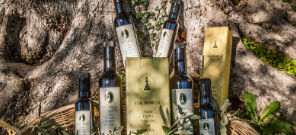
Prodotti certificati biologici, materie prime coltivate a Col d’Orcia e lavorate da aziende locali in modo artigianale e tradizionale. |
Prodotti in evidenza
Brunello di Montalcino DOCG Col d'Orcia |
Sangiovese in purezza dalla collina che guarda il fiume Orcia |
Brunello di Montalcino DOCG Nastagio |
Selezione di Brunello dalle grandi botti di rovere |
Rosso di Montalcino DOC |
Il Sangiovese di Montalcino di tutti i giorni |
Poggio al Vento Brunello di Montalcino Riserva DOCG |
Brunello tradizionale parte della storia di Montalcino |
Prodotti Bio Shop in evidenza
Bottiglia da 500ml. |
L’Olio Extravergine d’Oliva Biologico Col d’Orcia è prodotto con quattro varietà di olive |
Linguine 350g |
Le linguine sono una pasta lunga originaria della Liguria |
Millefiori 500g |
Miele millefiori di alta qualitá prodotto nel vasto territorio incontaminato di Col d’Orcia |
Tagliatelle 500g. |
Le tagliatelle sono una pasta tipica del centro e nord Italia. |



Social Networks


Area Agenti
Indirizzo
COL D'ORCIA S.r.l. Società Agricola
Via Giuncheti
53024 Montalcino - Italia
P. IVA 00127660520
SDI: T04ZHR3
CIN: IT052037B5MXB3T7MF
© Col d'Orcia 2012
